The National Center for Technological Excellence in Health (CENETEC) presented a document on considerations for remote medical care in public and private medical units in Mexico.
Remote medical care supported by digital technologies allows for the continuity of medical services to remote communities, or during health emergencies such as the COVID-19 pandemic.
Article 32 of the General Health Law defines medical care as the set of services provided to individuals to protect, promote, and restore their health. Article 7, on the other hand, addresses the promotion of the incorporation, use, and application of Information Technologies in Health Services.
In Mexico, remote medical care is permitted; however, there is currently no specific regulation for its implementation and development. telemedicine. Therefore, it is important to promote a regulatory framework focused on digital technologies for healthcare.
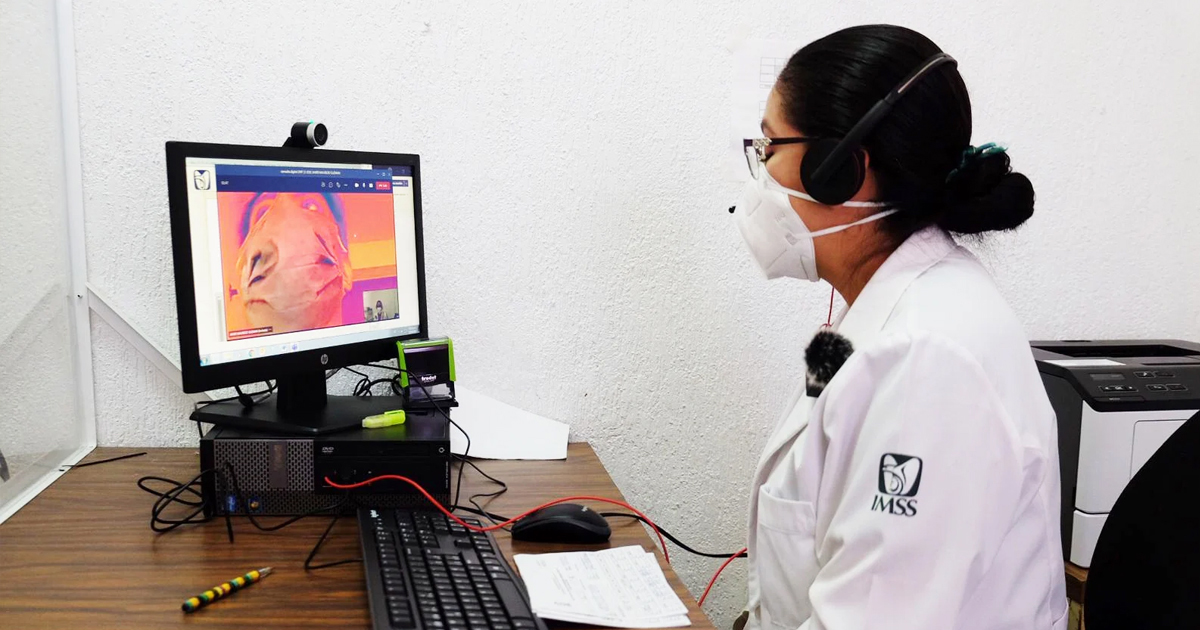
“The specific regulation for the remote consultation It must include more than just the review of actions directly related to healthcare and decisions. The use of digital technologies leads us to incorporate actions for the proper management of beneficiary information, improvements in the digital skills of healthcare personnel, and greater review of issues related to confidentiality and privacy,” explains the CENETEC document.
The document presents some of the main concepts for remote healthcare: Remote triage, remote consultation (first time or subsequent), remote medical advice, interconsultation, remote monitoring, remote monitoring, Remote diagnostic interpretation, ward rounds, and remote mentoring.
Other aspects explained in the document include the need to ensure the security and protection of sensitive patient data, specifically through privacy notices. The National Institute for Access to Information has a web platform that generates privacy notices for the public and private sectors. https://generador-avisos-privacidad.inai.org.mx/
Another important aspect is informed consent from patients, in which they accept a medical procedure for diagnostic, therapeutic, research, and other purposes.
The document also shows specific recommendations for the remote consultation or consultation. For example, technical recommendations on hardware and software; advice on cybersecurity and safe internet browsing; protocols basics about the consultation, among others.
Similarly, the document presents recommendations for health establishments in the provision of remote medical services: have a privacy notice, accredited medical professional, devices approved by the Federal Commission for Protection against Sanitary Risks (COFEPRIS), informed consent, have a specific physical space in the medical center, no external actors in the consultation, no noise, etc.
You can read the full document at the following link: https://cenetec-difusion.com/observatoriotelesalud/wp-content/uploads/2021/10/Consideraciones-Regulatorias_02.pdf