The results and databases generated will be shared openly to accelerate the development of new drugs and vaccines worldwide.
The pharmaceutical company GSK and Fleming Initiative, An international collaboration led by Imperial College London announced six new research programs aimed at curbing the antimicrobial resistance (AMR), a phenomenon that is turning many common infections into diseases that are difficult or impossible to treat.
Antimicrobial resistance (AMR) occurs when bacteria, fungi, or other microbes stop responding to the medications that used to eliminate them. According to the World Health Organization's (WHO) GLASS report, published in October 2025, One in six laboratory-confirmed bacterial infections already shows resistance to antibiotics. Deaths associated with this crisis could increase 74.5% in the coming decades, going from 4.7 million in 2021 to 8.2 million by 2050.
To accelerate the search for solutions, GSK allocated £45 million to this series of projects, known as Grand Challenges, which will begin in 2026 and last three years.
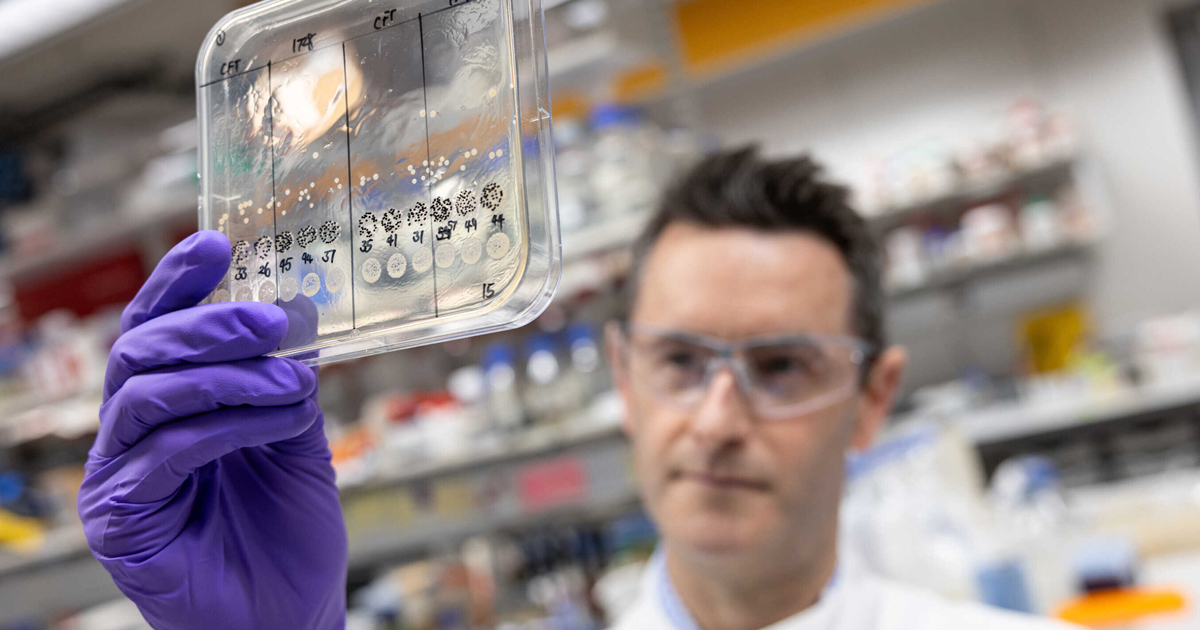
The new programs combine artificial intelligence (AI), supercomputing and experimental laboratory work. Each addresses a key aspect of AMR advancement:
- Designing new antibiotics against Gram-negative bacteria
These bacteria, like E. coli or Klebsiella pneumoniae, They have cellular structures that function as shields and pumps that expel antibiotics before they can act.
This project will use AI and supercomputers to analyze thousands of potential molecules and predict which ones might penetrate those defenses. The data generated will be publicly available to accelerate research worldwide.
- Finding new treatments for fungal infections
Fungi are also developing resistance. The work will begin with Aspergillus, a fungus responsible for around two million infections per year, with mortality rates that can exceed 46% in intensive care patients.
Today there are only four main types of antifungals, and many attack the same parts of the cell. The new project will use AI to identify distinct vulnerabilities and thus promote the development of more precise medicines.
- Understanding how the immune system responds to resistant bacteria
The investigation will begin with Staphylococcus aureus, one of the most dangerous and multidrug-resistant pathogens, responsible for more than one million deaths annually.
Until now, attempts to create a vaccine have failed due to a lack of detailed information about how the infection progresses in humans. The new team will recreate infections in a controlled and safe environment to study in depth the interaction between the bacteria and the immune system.
- Models of AI to predict the emergence and spread of resistant pathogens
Using epidemiological surveillance data and environmental conditions, researchers will build models capable of predicting where and how new resistant variants will emerge. This will allow for faster and more targeted responses.
- A clinical trial on the appropriate use of antibiotics
The goal is to better understand when and how antibiotics should be prescribed to avoid unnecessary treatments, one of the main factors accelerating resistance.
- A global program to transform public policies and prevention practices
With the information generated, the teams will develop strategies to improve communication with the population, strengthen regulations, and guide new scientific investments related to AMR.
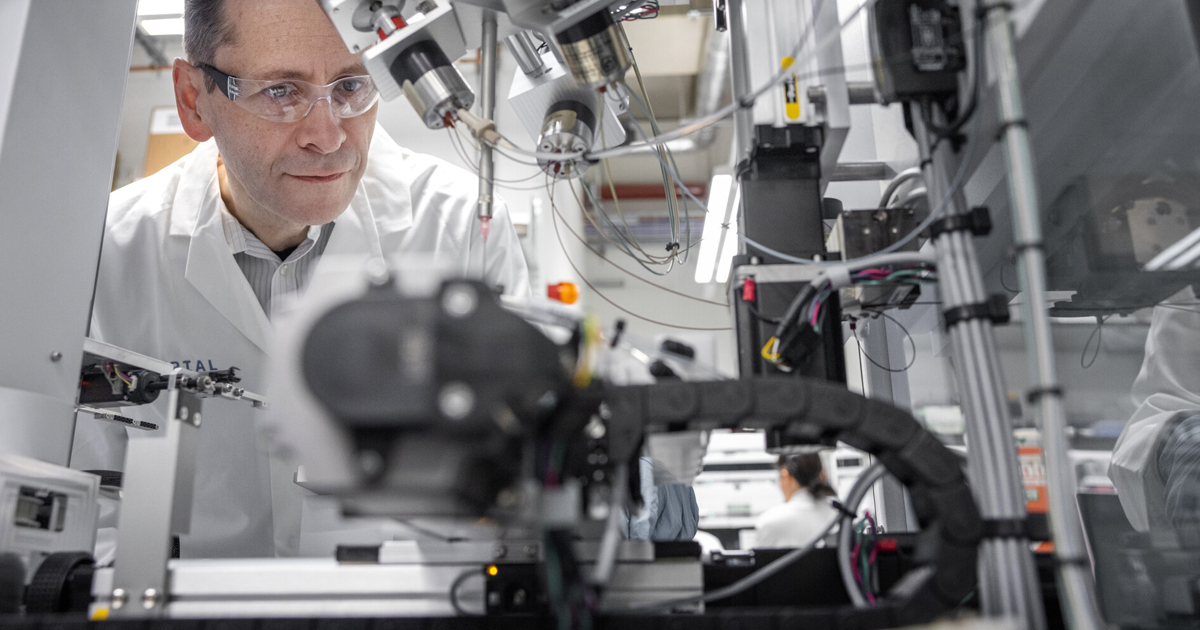
The funding will allow the creation of around 50 new scientific and clinical positions at Imperial College London. For the leaders of the initiative, this joint effort represents a necessary step forward in a field where research capacity has declined in recent years.
“Antimicrobial resistance is a global challenge that no single laboratory or institution can solve alone,” explained Hugh Brady, president of Imperial College London. Collaboration between academia, industry, and governments is essential to ensure that antibiotics continue to work in the future. For his part, Tony Wood, chief scientific officer of GSK, stated that combining massive amounts of data, new drug design tools, and models of AI It will allow us to "anticipate and get ahead of the development of resistance.".
The launch of these projects coincides with the 80th anniversary of the Nobel Prize awarded to Alexander Fleming for the development of penicillin, the first widely used antibiotic, and with World AMR Awareness Week.