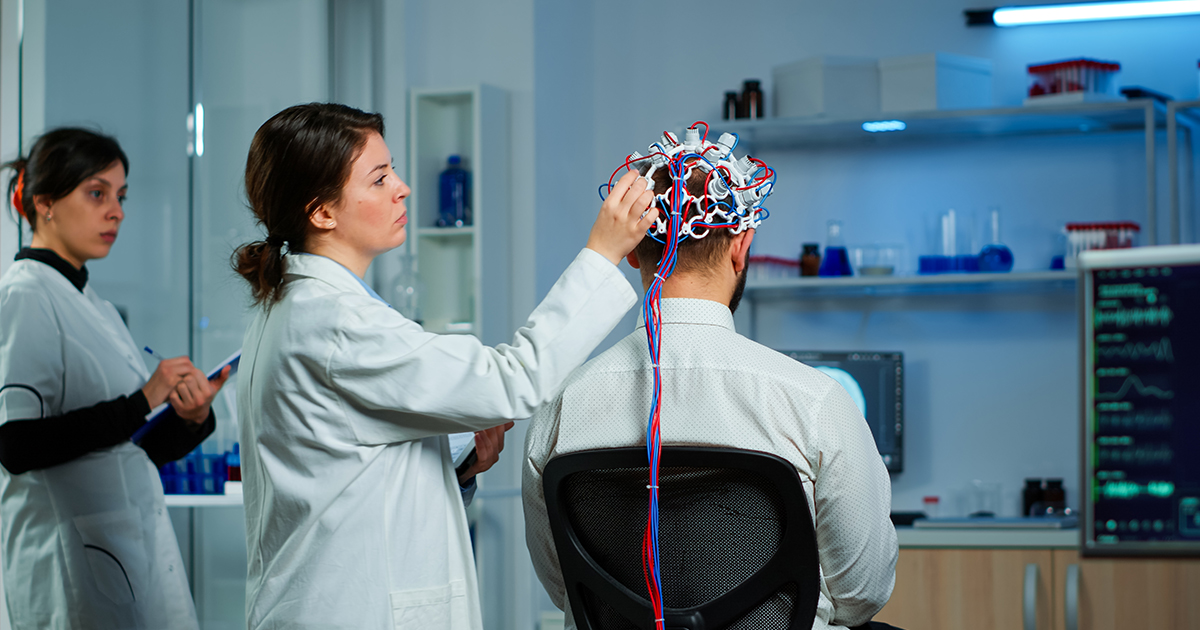
Nanoscience, the Internet of Things, and biotechnology are just some of the areas covered by the new programs approved by the Council of Ministers.


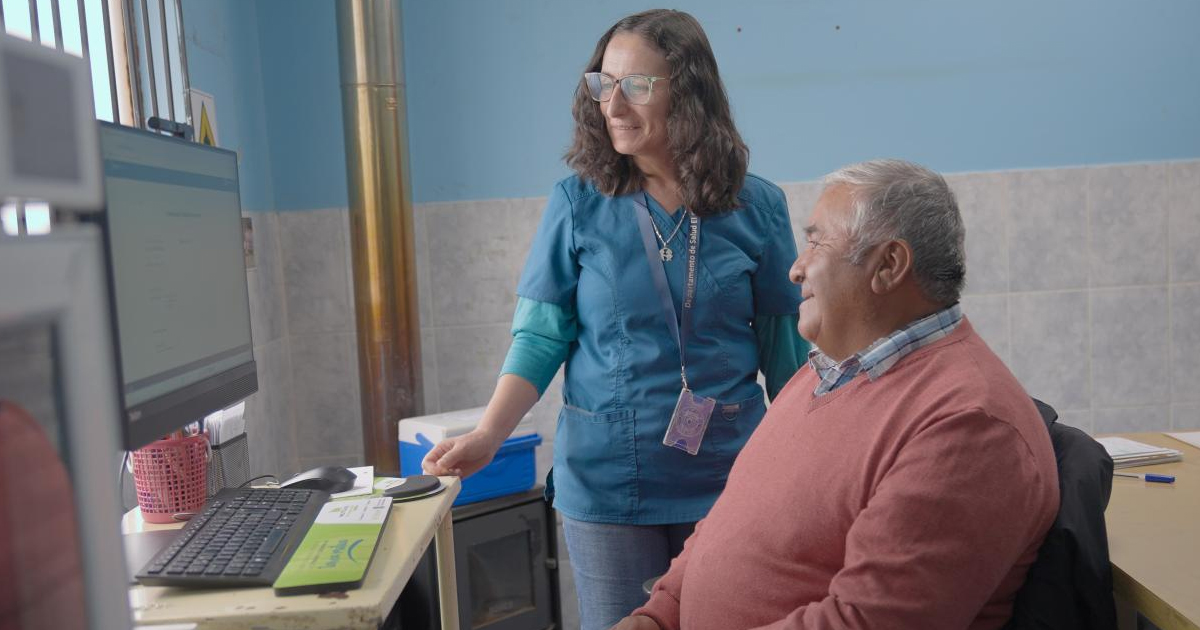
The incorporation of computers and the use of information systems Within healthcare organizations, the trend began in the late 1980s and continues to grow today. Consequently, doctors and healthcare professionals who have trained since then, and who are expected to work in the industry tomorrow, must be well-versed in the use of new technologies.
The Spanish Government aware of this, has approved different masters who educate their students in various facets of Digital Health. These masters are: Master in Nanoscience and Materials Technology (University of Cádiz), Master in Medical Chemistry (University of Cádiz), Master in Critical Care in Emergencies and Emergencies in Nursing (University of Granada), Master in Child Dentistry (University of Seville), Master in Fundamental and Translational Neuroscience (Pablo de Olavide University), Master in Food in Physical Activity and Sport (Oberta University of Catalunya), Master in Digital Health / e-Health (Oberta University of Catalunya), Master in Internet of Things for Digital Health (Autonomous University of Barcelona) and Master in Business Management Pharma-Biotech (University of Navarra).
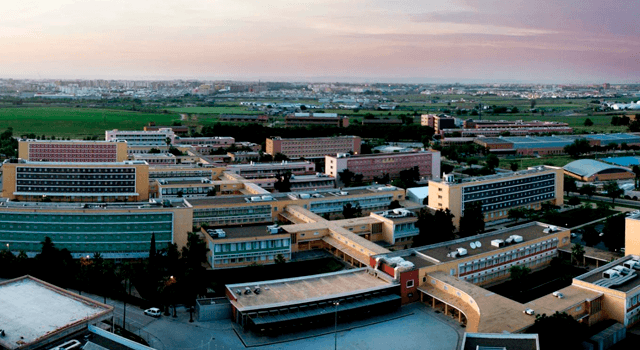
All of these academic courses are designed to address the need for professionals specialized in the management of ICTs in healthcare, both in the public and private sectors. Thus, the connection between science and technology will not be a forced learning process, but rather an integral part of the curriculum taught to students attending universities.
Examples of how immersed these new courses are in the benefits of Digital Health, are obvious when looking at the 10 key themes of the Online Master in Health Technology by OBS Business School (academic partner of UIC Barcelona):
- Electronic Medical Record and Interoperability
- Impact on the provision of healthcare services
- Impact on the Patient
- Impact on Research: Big Data, AI and ML
- Digital Transformation
- Economy and Digital Health
- Digital marketing applied to health systems
- Computer and Information Security
- Directive management of ICT in health
- Health, the healthcare system, eHealth and the transformation of the traditional system to the digital health
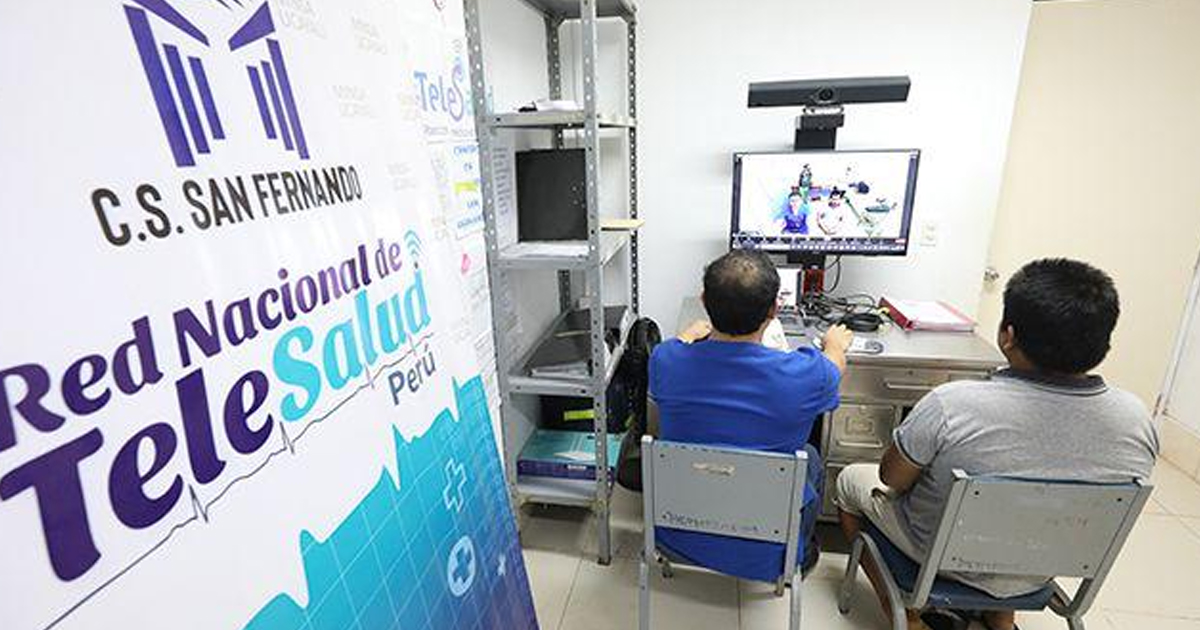
Catalonia is not the only region that focuses part of its academic efforts on new technologies. In general, Spain has taken the digital health as a priority to democratize access to quality health services, advancing in issues such as diagnostic imaging and digital pathology or telemedicine.
The Association Digital Health (ASD) Spanish also highlights aspects to be studied by new generations such as Data Analytics, Big Data, Artificial Intelligence u Open Data, in addition to new clinical history systems, the creation of an independent body, the reorganization of information or the patient as the central axis.
The development of the Internet of Things and artificial intelligence is already leaving its mark on the management and provision of healthcare services worldwide. But it's necessary to break down the barriers that prevent patients (such as older adults, for example) from taking full advantage of technologies that aim to improve their health. This is why initiatives like these are so relevant.
Learn more about these postgraduate programs at:
https://posgrado.uca.es/master/nanociencia?curso=2018/19
https://www.upo.es/postgrado/Master-Oficial-Neurociencia-Fundamental-y-Traslacional
https://estudios.uoc.edu/es/masters-universitarios/salud-digital/precio-matricula
Medical Writing
https://www.redaccionmedica.com/secciones/estudiantes/el-gobierno-aprueba-el-grado-de-medicina-de-la-universidad-de-navarra-7669
O.B.S. Business School
https://www.obs-edu.com/int/maestria-en-gestion-de-la-salud-digital
Interactive Doctor
http://elmedicointeractivo.com/la-implantacion-de-la-salud-digital-en-espana-esta-practicamente-concluida/